Learning about the different syllable types and the vowel sounds they make is an important skill for decoding – translating letters into words. Hearing syllables in words is also a part of phonological awareness, an essential skill for reading.
In the logical sequence followed by the Phonics Pow Toolkit, the first syllable type learned is closed syllables. When a vowel is closed in by at least one consonant, it often is short. Words with a consonant-vowel-consonant pattern like CAT and DOG (known as CVC words) often have a short vowel. An exception can occur in words with i and o followed by two consonants – see Find and lift the lost gold.
The next syllable type to know about is open syllables. When no consonant follows a vowel, the vowel is often long and says it’s name. Some frequently encountered one syllable words with open and long vowels are: he, she, me, we, be, no, so, go.
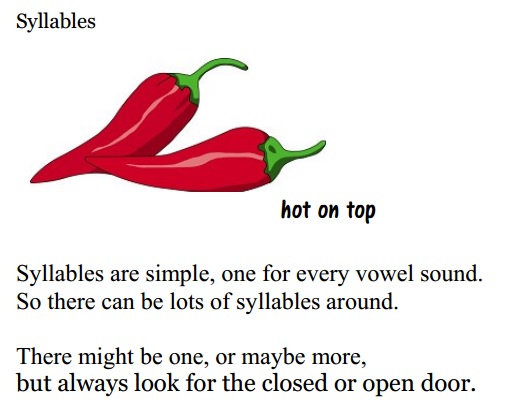
Syllables are simple, one for every vowel sound, so there are lots of syllables around. Practice with students to hear how many syllables are in a word. Sort animal flashcards into piles by the number of syllables. You can clap or tap, or feel your mouth drop!
Open and Closed Syllables
WATCH:
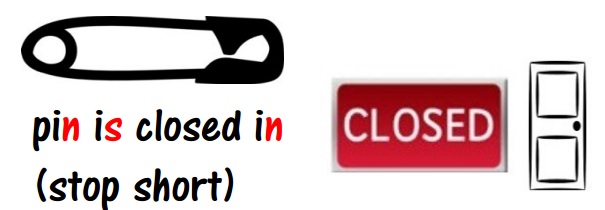
When a vowel is followed by at least one consonant, it is closed in. It often makes a short sound, as in pin. (the vowel stops short)
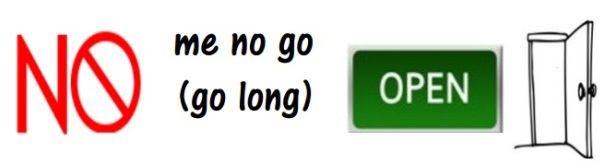
A vowel is open with no consonant behind. Open syllables are often long, you will find. (the vowel can go long)
Advanced phonics patterns are more powerful and follow their own guidelines: “car” makes a new sound because of Bossy R, and so does “loud” because the vowel is a Diphthong. “Cake” and “team” both have long vowel sounds because of Silent e and Vowel Teams. WATCH this video from Jessie Ketchum.
WATCH videos and PLAY online games at the Open and Closed Syllable tutorial at Wakelet. Some online games require flash, which is no longer supported after 12/31/2020. Learn more at The End of Flash.
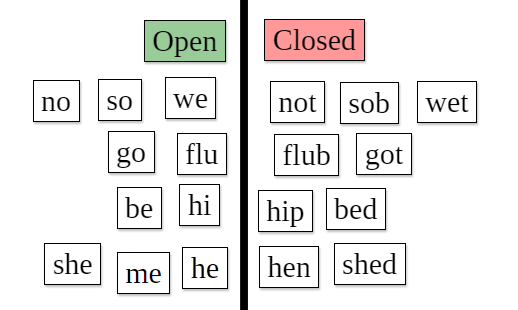
ONLINE WORD SORT
Examples of words with open and closed syllables at sightwordgames.
Open & Closed Vowels in Two Syllable Words

This chart from the Long Vowel Patterns section of the Phonics Pow Toolkit shows some examples of open syllables: a, vacate, he, delete, hi, finite, no, solo, flu, mumu. See the full chart at the post Author Wiley Blevins. Open syllables are found more frequently in words with more than one syllable.
Learn more about open and closed vowels in two syllable words with one middle consonant at Tigers and Robins and Camels, oh my! Learn more about syllable division, and learn more at More Ways Vowels Can Be Long.
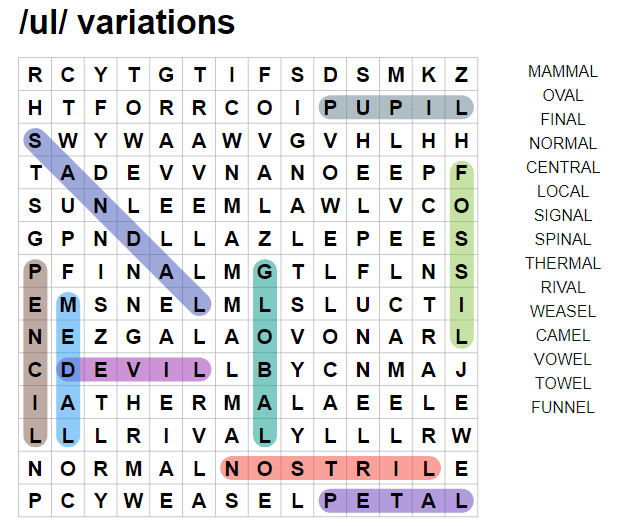

 Consonant -le is the last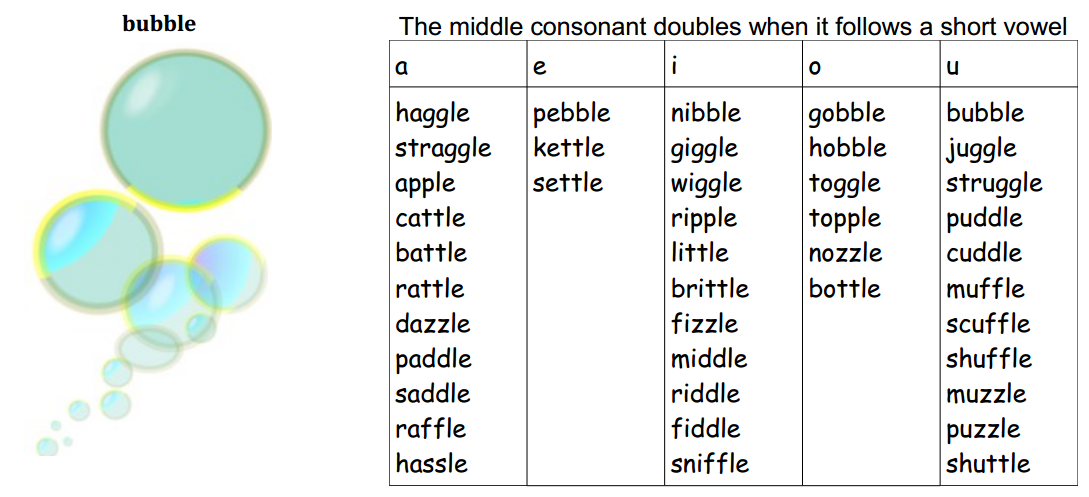


 Phonics Pow